


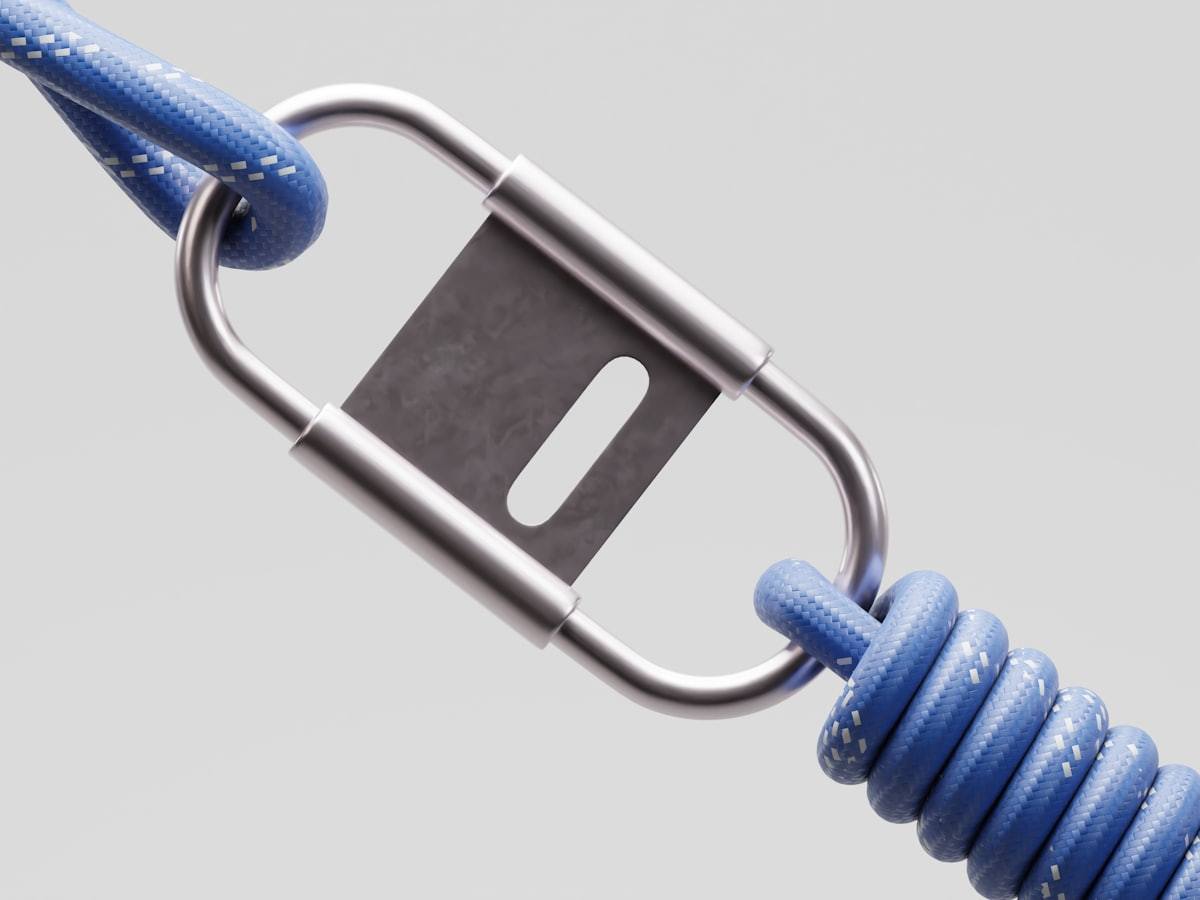
D and asymmetric shapes
Designed to help direct load toward the major axis and organize connection points for lanyards, devices and harness systems.
CUSTOM ALUMINUM CONNECTOR PROGRAM
Develop aluminum carabiners with the shape, gate action, finish, marking and packaging your project needs. KINSAFETY supports OEM and ODM programs for rope access, rescue, work-at-height and outdoor equipment brands.
CONFIGURE WITH PURPOSE
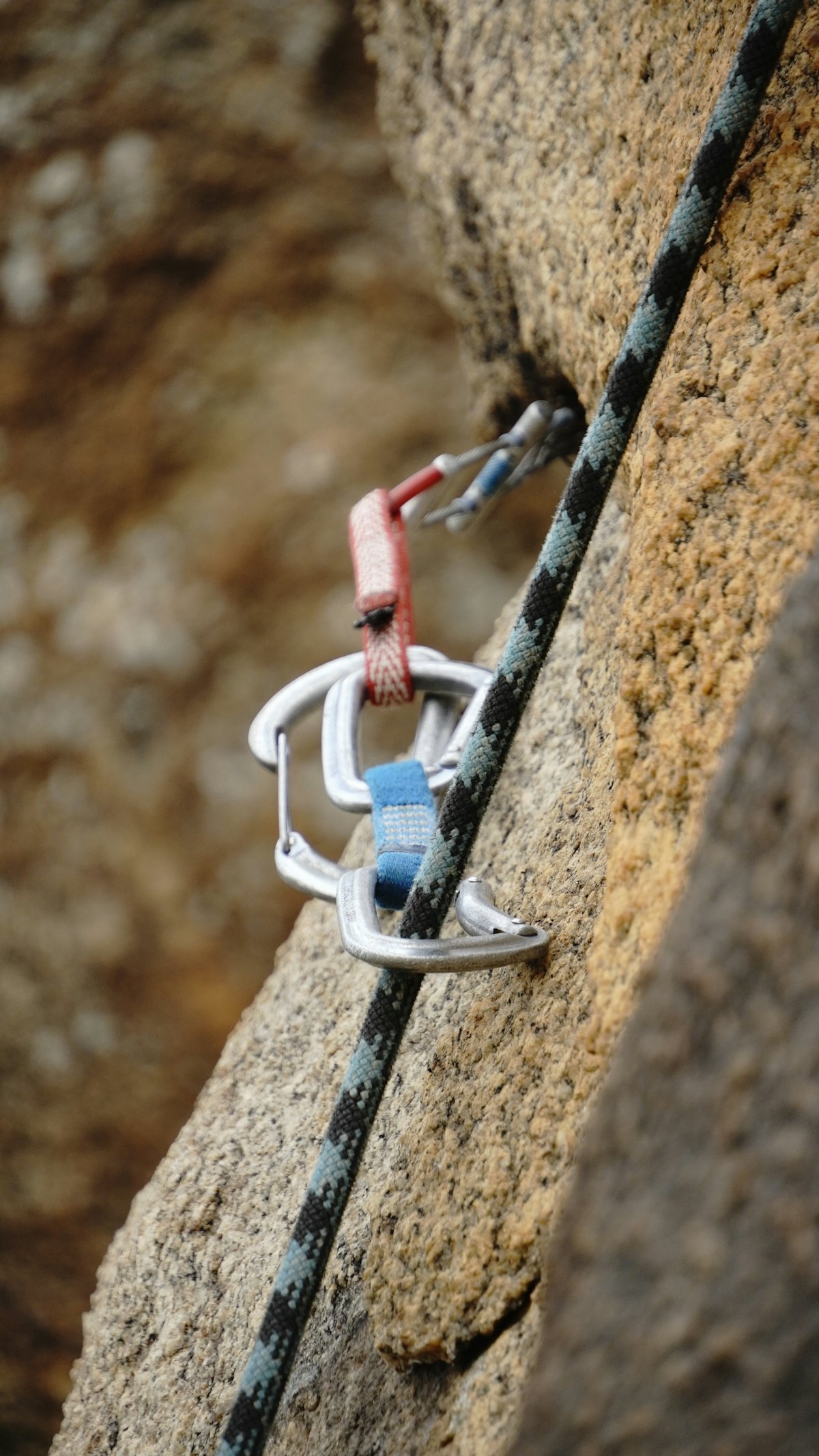
Carabiner shape and lock type influence equipment positioning, handling and resistance to unintended opening. Select the architecture first, then confirm dimensions, strength targets and compliance needs through engineering review and testing.
Designed to help direct load toward the major axis and organize connection points for lanyards, devices and harness systems.
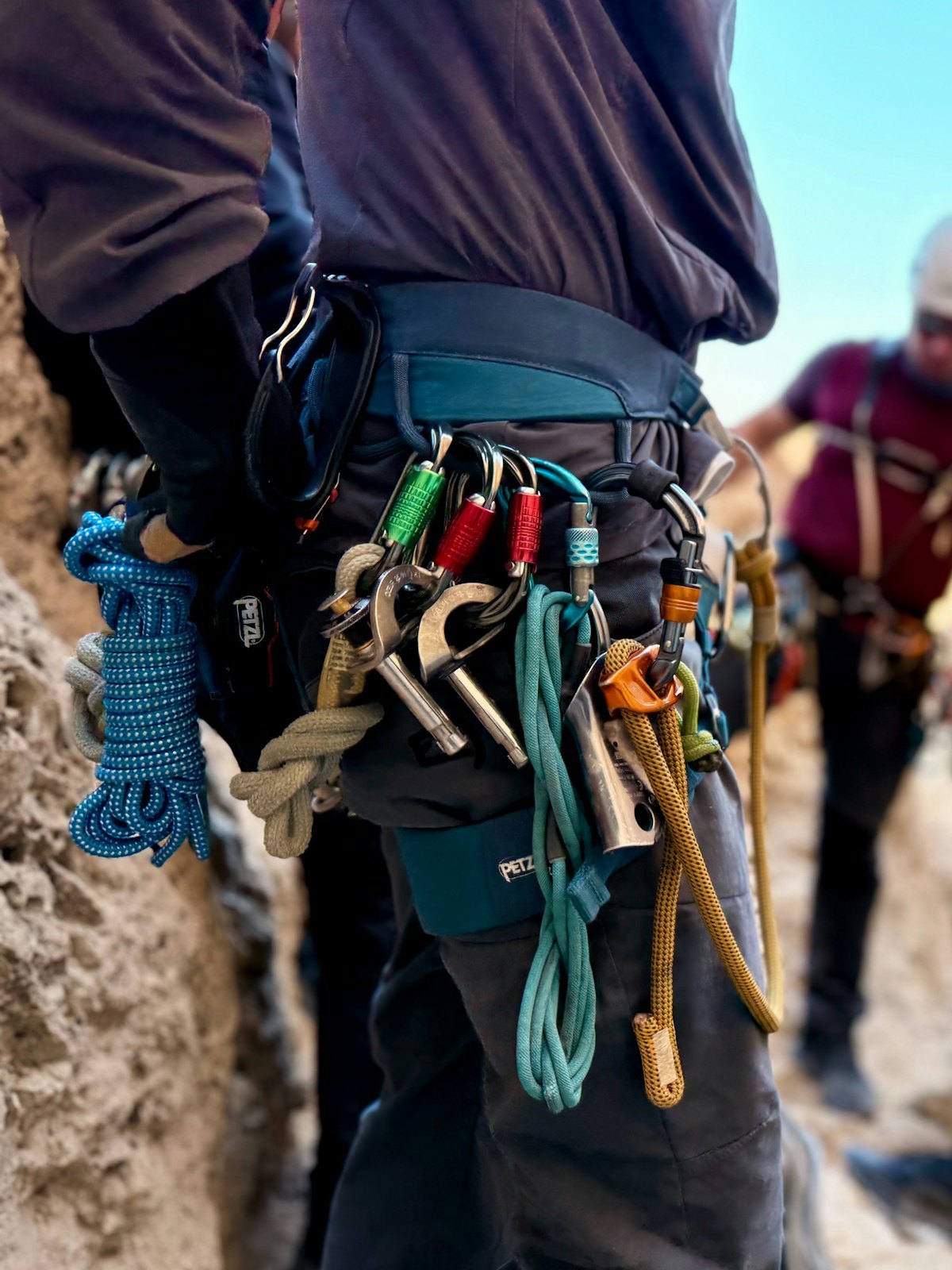
Useful where pulleys, rope clamps or wide-section devices need balanced positioning and smooth rotation inside the connector.
LOCKING CHOICES
Screw-lock systems suit deliberate manual checks. Twist-lock and triple-action concepts support faster self-closing workflows when the approved risk assessment calls for them.
RFQ CHECKLIST
Share the connection point, operating environment and expected loading orientation.
Confirm shape, gate opening, glove use, anti-snag preference and device compatibility.
Define target market, applicable standard, test plan, traceability and marking requirements.
OEM AND ODM OPTIONS
Build a clear specification around the intended application. Available development paths can include alloy and profile selection, gate architecture, surface finish, permanent marking, inspection details and retail or industrial packaging.

D, asymmetric, oval and HMS-inspired geometries can be evaluated with straight, bent, screw-lock or automatic gate concepts.

Discuss anodized colors, laser marking, logo position, model coding, load markings and batch traceability.

Prototype review and testing should match the intended market, loading conditions, compatible equipment and applicable standard.
DEVELOPMENT FLOW
A structured RFQ reduces rework and keeps commercial, engineering and quality expectations aligned.
Application, dimensions, lock type, finish, quantity and target market.
Geometry confirmation, prototype preparation and handling review.
Agreed load tests, documentation, markings and golden-sample approval.
Process checks, batch traceability, inspection and packaging verification.
BUYER QUESTIONS
Aluminum helps reduce carried equipment weight and can provide a strong strength-to-weight balance. Final strength depends on alloy, geometry, heat treatment, gate condition and the approved test specification.
D and asymmetric shapes are commonly used to favor loading toward the major axis. Oval shapes help center pulleys and wide-section devices. Choose according to the full system, not appearance alone.
Screw locks are manually secured and easy to inspect. Automatic twist or triple-action locks close when released and can support frequent handling. The correct option follows the use case and risk assessment.
Logo marking, anodized colors, model codes and packaging can be reviewed during sampling. Safety markings and traceability information must remain legible and consistent with the approved specification.
Certification is model- and scope-specific. Share the target market and applicable standard at the RFQ stage so testing, documentation and marking requirements can be planned before production.
Provide application, shape, lock type, dimensions or drawing, target strength, applicable standard, finish, logo files, packaging, order quantity and expected delivery schedule.
READY FOR ENGINEERING REVIEW?
Share a drawing, reference sample or requirement list. The team can help identify open decisions before prototype work begins.
