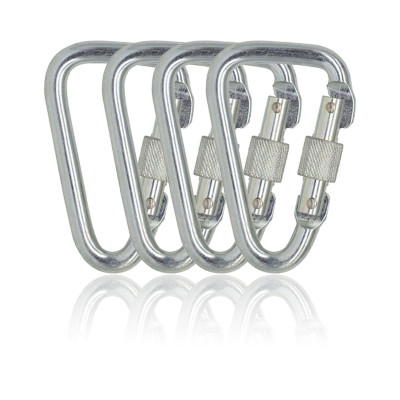
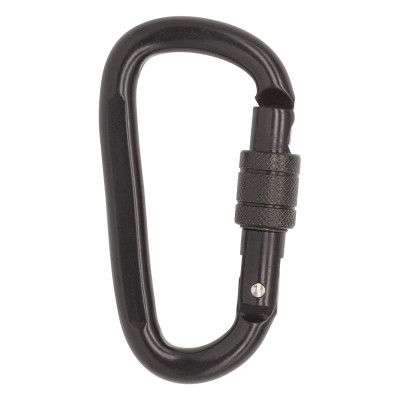
Aluminum vs Steel Snap Hooks: How to Choose for Industrial Fall Protection Systems
Introduction
In industrial fall protection systems, snap hooks play a critical role in connecting harnesses, lanyards, anchors, and lifelines. While snap hooks may appear similar at first glance, the material choice—aluminum or steel—directly impacts system safety, durability, usability, and compliance.
For safety harness manufacturers and OEM buyers, selecting the wrong snap hook material can lead to premature wear, user fatigue, certification challenges, or even system failure in extreme environments.
This guide provides a clear, engineering-focused comparison of aluminum vs steel snap hooks, helping industrial fall protection manufacturers choose the right solution based on mechanical performance, corrosion resistance, weight, strength ratings, and real-world applications.
1. Mechanical Properties Comparison
The fundamental difference between aluminum and steel snap hooks lies in their mechanical behavior under load, impact, and repeated use.
Aluminum Snap Hooks
Aluminum snap hooks are typically manufactured from high-strength aluminum alloys such as 7075 or 6061, using CNC machining or forging processes.
Key mechanical characteristics:
High strength-to-weight ratio
Good fatigue resistance for repetitive use
Lower hardness compared to steel
More elastic deformation before failure
Aluminum snap hooks perform exceptionally well in applications where weight reduction and ease of handling are critical.
Steel Snap Hooks
Steel snap hooks are usually made from carbon steel or alloy steel, produced through forging, stamping, and heat treatment.
Key mechanical characteristics:
Higher absolute tensile strength
Superior wear resistance
Better resistance to deformation
Longer service life in abrasive environments
Steel snap hooks are preferred in heavy-duty industrial environments where impact, abrasion, and high loads are common.
Mechanical Comparison Summary
| Property | Aluminum Snap Hook | Steel Snap Hook |
|---|---|---|
| Tensile Strength | High | Very high |
| Wear resistance | Medium | Excellent |
| Impact resistance | Medium | High |
| Fatigue performance | Good | Excellent |
| Deformation risk | Higher | Lower |
2. Corrosion Behavior & Environmental Resistance
Environmental exposure is a major factor in fall protection hardware performance.
Aluminum Snap Hooks – Corrosion Resistance
Aluminum naturally forms an oxide layer that protects against corrosion. When combined with anodizing, aluminum snap hooks offer excellent resistance in many environments.
Advantages:
Strong resistance to humidity
Performs well in coastal and outdoor environments
No red rust formation
Ideal for rope access and rescue applications
Limitations:
Can suffer from galvanic corrosion when in contact with dissimilar metals
Not ideal for highly abrasive or chemically aggressive environments
Steel Snap Hooks – Corrosion Protection Options
Steel snap hooks require surface treatments to prevent corrosion, such as:
Zinc plating
Nickel plating
Electrophoresis coating
Powder coating
When properly treated, steel snap hooks perform reliably in:
Construction sites
Oil & gas facilities
Industrial maintenance environments
Limitations:
Coating damage can lead to rust
Requires regular inspection in corrosive conditions
Corrosion Performance Comparison
| Environment | Aluminum Snap Hook | Steel Snap Hook |
|---|---|---|
| Outdoor/humidity | Excellent | Good(with coating) |
| Coastal/ salt air | Very good | Medium-good |
| Chemical exposure | Medium | Good(with proper coating) |
| Abrasive environment | Medium | Excellent |
3. Weight Difference & Usability
Weight plays a major role in user comfort, efficiency, and fatigue—especially in applications involving frequent movement.
Aluminum Snap Hooks – Lightweight Advantage
Aluminum snap hooks can weigh 30–60% less than steel equivalents.
Benefits:
Reduced worker fatigue
Easier one-hand operation
Faster clipping and unclipping
Ideal for rope access and rescue teams
In applications where workers carry multiple connectors, weight reduction significantly improves productivity and safety.
Steel Snap Hooks – Stability & Control
While heavier, steel snap hooks provide:
More stable feel during positioning
Reduced swinging in wind or vertical environments
Greater perceived security for heavy-duty users
For static or semi-static applications, weight is less of a concern.
Weight Comparison Example
| Snap Hook Type | Approx. Weight |
|---|---|
| Aluminum snap hook | 80-130g |
| Steel snap hook | 180-350g |
4. Strength Rating Comparison (kN Table)
Strength rating is a decisive factor for compliance with EN 362, ANSI Z359, and OSHA standards.
Typical Strength Ratings
| Material | Gate Closed | Gate Open | Minor Axis |
|---|---|---|---|
| Aluminum snap hook | 22-30 kN | 7-9 kN | 7-8 kN |
| Steel snap hook | 25-40 kN | 10-16 kN | 10-12 kN |
Steel snap hooks consistently outperform aluminum in gate-open and minor-axis strength, making them suitable for higher-risk industrial applications.
However, modern aluminum snap hooks engineered with CNC machining and reinforced gate designs can fully meet EN and ANSI requirements for many applications.
5. Application Recommendations
Choosing between aluminum and steel snap hooks should always be application-driven, not cost-driven.
Best Applications for Aluminum Snap Hooks
Rope access systems
Rescue equipment
Arborist climbing systems
Lightweight lanyards
Temporary anchoring systems
Situations requiring frequent connection cycles
Why aluminum works:
Low weight, excellent handling, sufficient strength, and corrosion resistance.
Best Applications for Steel Snap Hooks
Construction fall arrest systems
Oil & gas platforms
Telecom tower climbing
Industrial maintenance
Permanent or semi-permanent anchor connections
High-abrasion environments
Why steel works:
Maximum strength, durability, long service life, and resistance to mechanical abuse.
Quick Selection Guide
| Application | Recommended Material |
|---|---|
| Rope access | Aluminum |
| Rescue | Aluminum/ Steel |
| Construction | Steel |
| Oil & gas | Steel |
| Electrical utility | Steel / Dielectric |
| Lightweight PPE | Aluminum |
| Heavy anchorage | Steel |
6. Manufacturing Quality Matters More Than Material Alone
Regardless of material choice, manufacturing quality determines real-world performance.
Key factors buyers should verify:
CNC machining or drop forging accuracy
Heat treatment consistency
Gate and locking mechanism reliability
Surface treatment thickness
Tensile testing and batch inspection
EN / ANSI compliance documentation
A poorly manufactured steel snap hook is more dangerous than a well-engineered aluminum one.
7. How OEM Manufacturers Benefit from Offering Both Options
Many leading safety harness brands offer both aluminum and steel snap hooks to serve different user segments.
Benefits include:
Broader market coverage
Clear product differentiation
Application-specific solutions
Increased customer trust
Higher perceived professionalism
By working with a manufacturer capable of producing both aluminum and steel snap hooks, OEM brands gain flexibility without compromising quality.
Conclusion
Aluminum and steel snap hooks each serve essential roles in industrial fall protection systems. Aluminum snap hooks excel in lightweight, mobile, and rescue-focused applications, while steel snap hooks dominate heavy-duty, high-risk, and abrasive environments.
For safety harness manufacturers, the optimal solution is not choosing one over the other—but selecting the right material for each application, supported by compliant design, reliable manufacturing, and proper testing.
Understanding these differences helps manufacturers build safer systems, pass certifications more smoothly, and deliver greater value to end users.
Call to Action
Request a Sample Comparison Set
If you are evaluating aluminum snap hooks versus steel snap hooks for your fall protection products, we offer sample comparison sets including:
Different materials
Strength ratings
Locking mechanisms
Surface treatments
📩 Contact us today to request samples, technical datasheets, or OEM customization support.